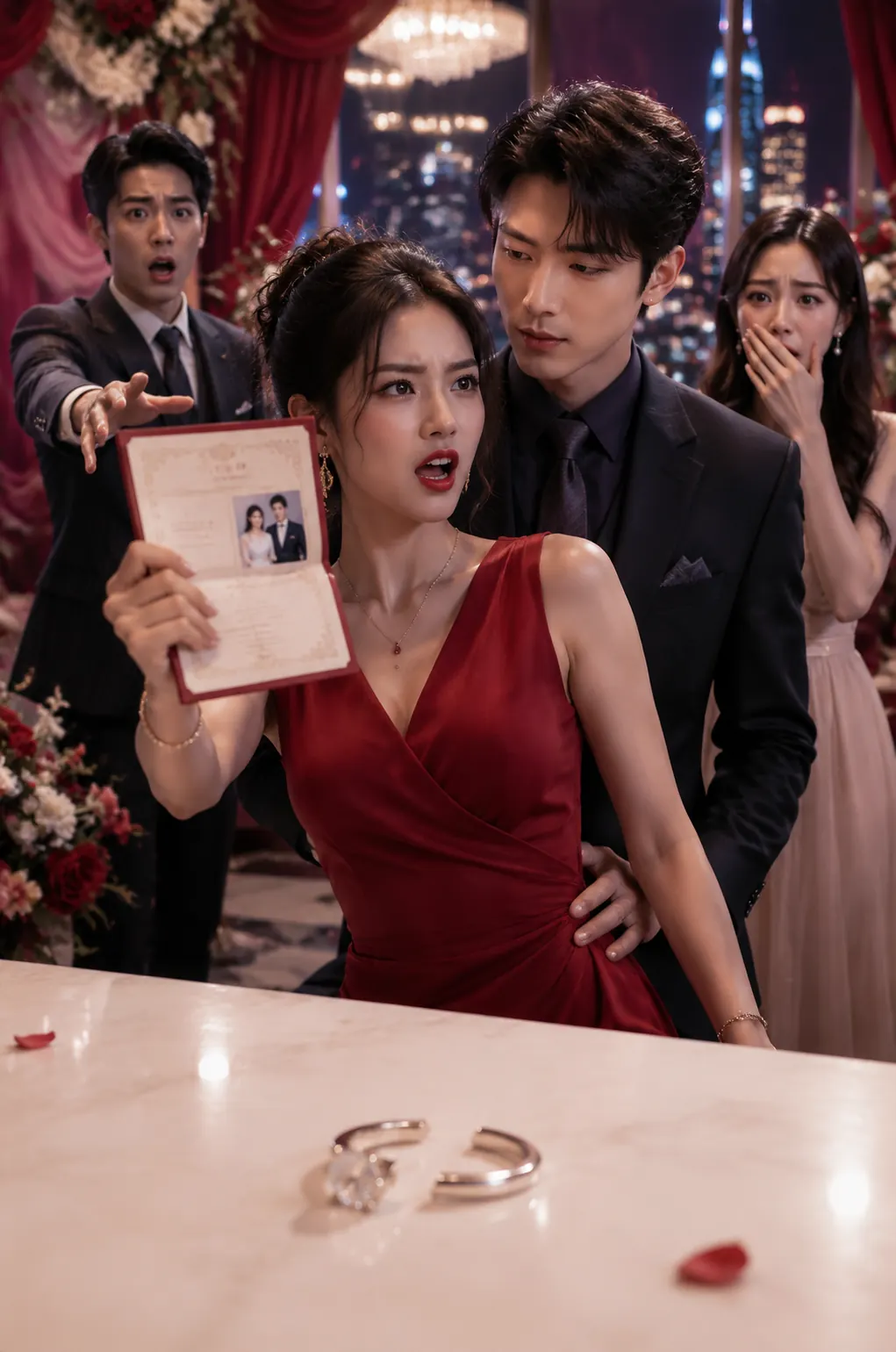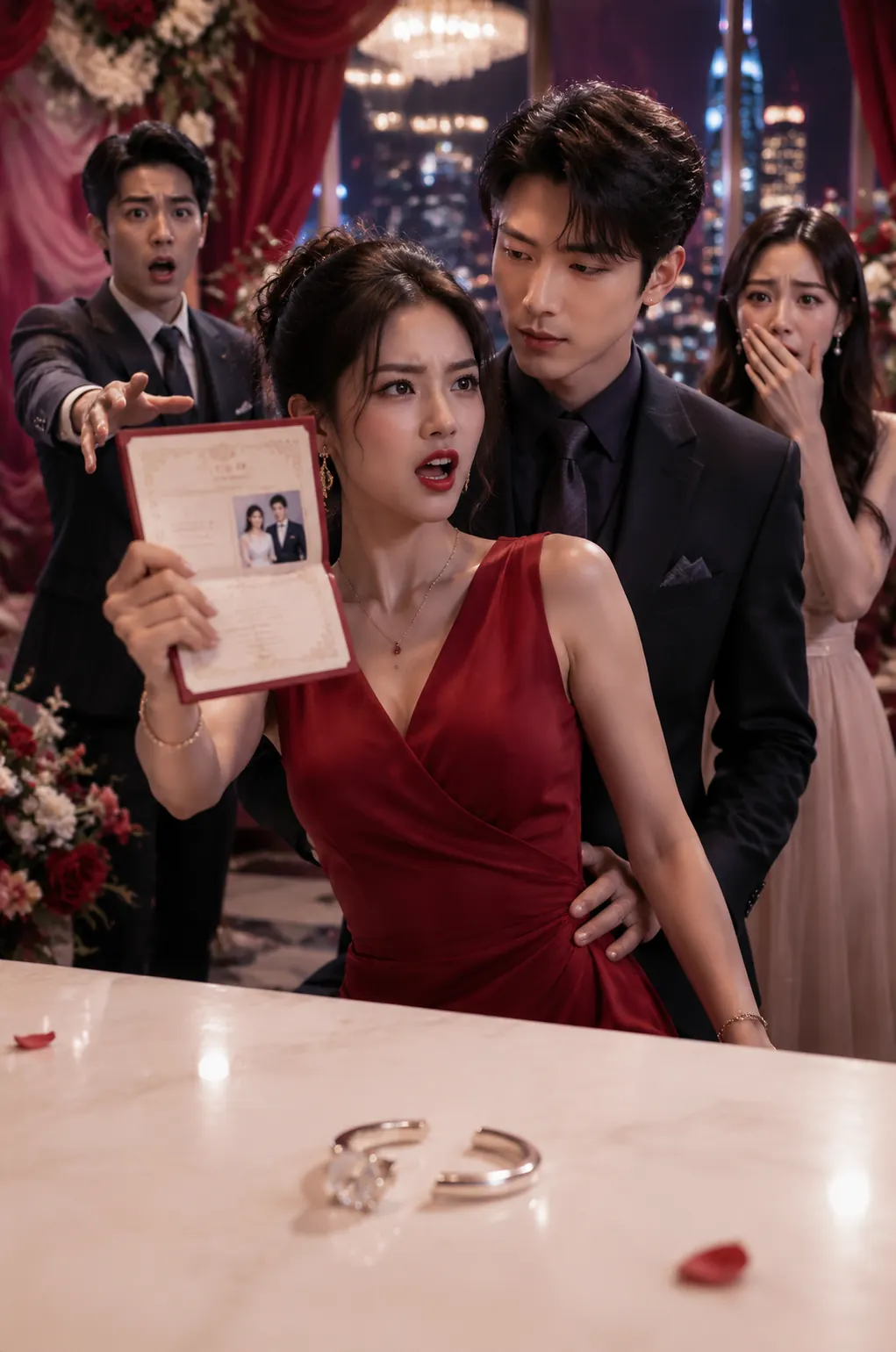


The Last Crown
Chapter 1
No Record
The cab stopped abruptly at the palace gates.
Elena gathered her phone and the thin portfolio folder from the seat beside her, already composing the email she'd need to send her assistant. This was the kind of delay that required documentation—not blame, just facts. Dates. Times. The precise moment when things began to feel like they might not go according to plan.
The driver turned to her through the gap in the security grille that separated front seat from back. "They're asking for ID."
She could see the guardhouse through the windshield. Two men in pressed uniforms, one of them leaning toward the cab window, radio in hand. The palace rose beyond them—pale stone, the kind of architecture that had been photographed so many times it barely looked real. Palais Marenthal. She'd seen it in briefing materials three weeks ago, studied it the way she studied every element of a job: not for appreciation but for strategic value. The harbor visible beyond the palace's eastern wing caught the afternoon light. Boats in the water. A fishing vessel heading back toward the capital. The kind of scene that looked like it belonged in a tourism advertisement.
Elena handed the driver her passport through the open window between them. She'd learned in D.C. that the appearance of cooperation usually worked better than questions. Let the machinery run its course. Protest afterward if necessary.
"They said they have no record of a guest arriving today," the driver said quietly, in the tone of someone who had delivered worse news in worse circumstances.
She'd arranged this visit for six weeks. The formal invitation had come from the palace press office—a physical card, cream-colored stock. Her confirmation, sent three days ago, had been acknowledged by email with the kind of cautious specificity that suggested no one wanted to be held responsible for anything.
The absence of record did not surprise her. She'd worked in D.C. long enough to understand that government machinery—even small governments, even ceremonial governments—found confirmation inconvenient.
"Tell them Elena Marsh. Communications consultant. Expected arrival June 30th."
The driver relayed this. There was a pause. A longer one than Elena liked. She used it to prepare: shoulders slightly back, face arranged into professional attention but not eagerness. She'd learned to calibrate this precisely in her years managing political operatives who wanted to be coaxed into behaving.
The guardhouse door opened. A man emerged. Not a guard—she could tell by the way he held himself, the way the guards straightened slightly as he approached the car. He was tall enough that he had to duck toward the cab window, and he did this with the unselfconscious precision of someone who had ducked through doorways his entire life. Dark hair worn short, the military cut of someone accustomed to having decisions made for him about the basic maintenance of his appearance. Dark eyes that assessed the cab's interior in approximately two seconds, cataloging details the way Elena did, then landed on her with the focused attention of someone accustomed to immediate recognition.
"Ms. Marsh," he said. It was a statement that made space for no response but expected one anyway.
"That's me," Elena replied.
"Crown Prince Damien." He said this not as an introduction but as a statement of fact, the way someone might confirm his own name to himself in the mirror, establishing which version of himself he was inhabiting at this moment. "You're ninety minutes early."
Elena extracted the folio from the seat beside her and set it on her lap with careful precision. Early was not a phrase she heard often, and she disliked being thrown off by its implication—there was something in it that suggested carelessness, a failure to coordinate properly with established schedules. "My flight landed earlier than expected. The airport had it wheels-down at two-forty, not three-fifty."
"I see." He stepped back from the window. His posture didn't change, but something in his face did shift—recognition of something, perhaps, though what was unclear. "The gate clearance wasn't processed."
"So I'm told."
He didn't apologize. This was noted. In Elena's experience, every person in power had a version of apologizing they performed, even if it was just a performed regret. The Prince appeared to have skipped that step entirely in his personal instruction manual. He turned instead to the guardhouse and nodded once, the kind of minimal gesture that carried absolute authority, and whatever had prevented her entry was apparently now resolved, because the gates were already swinging open with the slow inevitability of things that had been waiting for permission.
"Follow me," the Prince said. "I'll take you up myself."
He walked away from the car without waiting for acknowledgment. Elena watched him in the side mirror—his uniform was dark and impeccable, the kind of military dress that probably had a name she could look up if she cared. Every step he took looked like it had been practiced once and executed the same way ever since, the kind of muscle memory that came from training rather than habit. He moved like he was occupying space that had been designated for him long before he arrived in it.
The drive up to the palace took three minutes. The road curved through gardens that seemed designed to look casual while being precisely arranged—Elena could tell from the way the trees were spaced, the calculated randomness of the flowering shrubs—and then they were under an archway and into a courtyard where his car was already waiting, a black sedan that had not been present in the guardhouse moments before. Someone had called ahead. The Prince apparently believed in making his arrangements with the same precision he apparently believed in most other things.
He was leaning against the hood, arms crossed, when Elena stepped out of the cab. The late afternoon sun was at his back, which meant it was in her eyes. This was probably accidental, but she filed it away as a micro-advantage taken.
"The press office didn't brief you that you'd be arriving at shift change," he said without preamble.
Elena paid the driver and turned to face the Prince. She set the folio under her arm. He was even taller standing, though she was tall enough at five-ten that she didn't have to crane her neck, only tilt. His uniform had medals on it, the kind that looked old and significant, some of them heavy-looking in a way that suggested actual combat decorations rather than ceremonial accolades. "They didn't mention it."
"They should have. It's why the gates were understaffed." He uncrossed his arms and moved toward the palace entrance. Not a gesture toward her, just a movement that implied she should follow. "This way."
The palace interior was not what she'd expected—it was lived-in, not a museum. There was a chess set on a side table, mid-game. A jacket hung on the back of a chair. A newspaper on the console—Avrai daily, three days old. The Prince walked through all of this without comment, giving her a tour while declining to explain anything.
She was starting to resent that.
"Your rooms," he said, stopping in front of a heavy wooden door. He opened it without knocking, the kind of gesture that established ownership and authority simultaneously. "Bedroom through there. Bathroom. Office space here." He gestured with the efficiency of someone pointing out features on a diagram—not indicating, just marking points in space. "The desk overlooks the harbor. Most of the EU delegation finds it acceptable."
The words were not untrue. They were also not information. Most of the EU delegation finds it acceptable could mean anything from the rooms were objectively pleasant to the rooms were sufficiently removed from the main residence that important people could be kept separate from the daily workings of court. Elena had played enough political games to understand the weight of vague praise.
She stepped inside. The room was large, high-ceilinged, the kind of space that made you conscious of how you held your posture, how much sound your footsteps made, the specific gravity of your own presence. The furniture was antique, but functional antique—worn in the specific way that meant it had been used regularly, not preserved. There were books on the bedside table. A reading lamp that looked like it had been adjusted multiple times. The window he'd indicated looked out over a sweep of Mediterranean coast, the terraced city of Avrai sliding down toward the water in a cascade of pale stone and red tile roofs, the light hitting the water in that particular way that made it look both inviting and distant.
She turned back to him. "When do we start the briefing?"
"Tomorrow. Nine a.m., my office." He was moving toward the hallway. "Dinner is at seven, if you're inclined. The family takes it together."
"I'll need the briefing materials before then," Elena said.
He paused. His eyes had that focused quality again, reading something in her face she hadn't intended to display. "You'll have them."
"Timeline?"
"Ninety days. EU votes the 28th of September."
"And the stakeholders? I'll need direct access to whoever's managing—"
"We'll discuss it tomorrow." He was in the hallway. "The internet is reliable. Breakfast is at seven. Ask for anything you need."
And then he was gone—or not gone, precisely, but irrelevant, already disappearing down the corridor in the direction from which they'd come, his footsteps precise and even, the military precision of someone who had been taught to move through the world in a specific way and had never questioned that instruction.
Elena stood in the center of the room for a moment, still holding her folio. The Prince was, she was fairly certain, the most infuriating client she'd taken on since she'd left D.C. This was going to be worse than the briefing file had suggested, and the briefing file had suggested he was "difficult"—a meaningless word applied to anyone who didn't volunteer information for you to use against them later.
She set her portfolio on the desk and opened her laptop. The email draft to her assistant began to compose itself in her head—confirmations, clarifications, the minor diplomatic adjustments necessary when expectations collided with reality. The Wi-Fi connected automatically. She waited for the desktop to load, for the browser to populate with her usual tabs. The palace network was better than she'd expected—good bandwidth, no waiting.
And then she opened a new document and typed the first line of her working notes.
The subject is smarter than the file suggested.
She sat back and looked at the sentence for a moment. It was incomplete, but it was accurate. The Prince had managed in approximately four minutes of direct interaction to tell her nothing useful while appearing to provide a complete briefing. He'd established the time of their first real meeting (tomorrow, nine a.m.) while simultaneously making clear that he was not going to brief her today. He'd invited her to dinner while phrasing it as entirely optional. The questions she left with weren't the ones she was supposed to have. He'd established authority in the space between sentences. He'd made it clear that she was here on his terms, even when she was the one being paid to shape the narrative about him.
The briefing file had described him as "difficult." That was the word they used for people who had power and knew it and weren't going to make your job easy by pretending otherwise.
She typed another line.
Also aware of his own power in ways that suggest he doesn't need to perform it.
The light was turning gold outside the window. The harbor below was catching the sun in that particular way that made the water look almost unreal, too picturesque, the kind of view that probably appeared in every tourism board photograph of Valloria ever created. Elena didn't look at it for more than a moment. She was already three weeks into this job in her head, already cataloging what would need to shift and what could hold. She was cataloging the Prince—his precise language, his refusal to apologize for the gate clearance delay, the way he'd established himself as the authority in every interaction without ever saying the words.
His public persona was polished but defensive—she'd seen the press photos, the UN summit appearance that had apparently gone badly. There was something beneath that surface, the thing he guarded most carefully because it was real.
She would need to figure out what it was. But not tonight. Tonight she would eat something, sleep, and prepare for nine a.m., when she would begin the work of extracting information from a man who had just demonstrated he could make a masterclass of saying nothing.
Elena closed the laptop without saving. The document would autosave. The sentence would remain, captured in the moment she'd typed it, preserved by cloud backup and browser cache, a note to herself about the specific problem that was Crown Prince Damien of Valloria.
She looked out at the harbor again. Somewhere in that city, the press was sleeping, or preparing stories, or checking their sources on rumors of the mysterious American strategist who'd arrived at the palace. Tomorrow they would take whatever angles they found. And Elena would need to be ready to shape all of it—the palace narrative, the public presence, the careful calibration that made a man who apparently couldn't be bothered with protocols look like a man who should be trusted with his country's future.
Elena closed the laptop and pushed back from the desk. The room was quieter than she'd noticed before—no ambient noise from the corridor, no palace staff moving through the halls, just the faint sound of the harbor below and the particular stillness of a building where everyone knew their place and stayed in it.
She crossed to the door and reached for the handle.
From the corridor—close, unhurried, deliberate—footsteps stopped directly outside her room.
You might also like