
Chapter 8
Chapter 8: How They Met
Chapter 8: The Story
"—and that's our tradition," Elizabeth set down her wine glass with the satisfied air of someone who'd just explained something important. "Whoever got engaged that year has to tell us how they met. No editing, no rehearsed speeches. Just the real story."
The dining room felt smaller. The lake light through the windows too bright, too honest. Around the table, everyone turned with the kind of anticipatory focus usually reserved for a verdict. Someone already had their phone out to record.
"We're so curious," Caroline said. She'd been orchestrating this moment since the engagement announcement. "James has been completely secretive. We don't even know where you met."
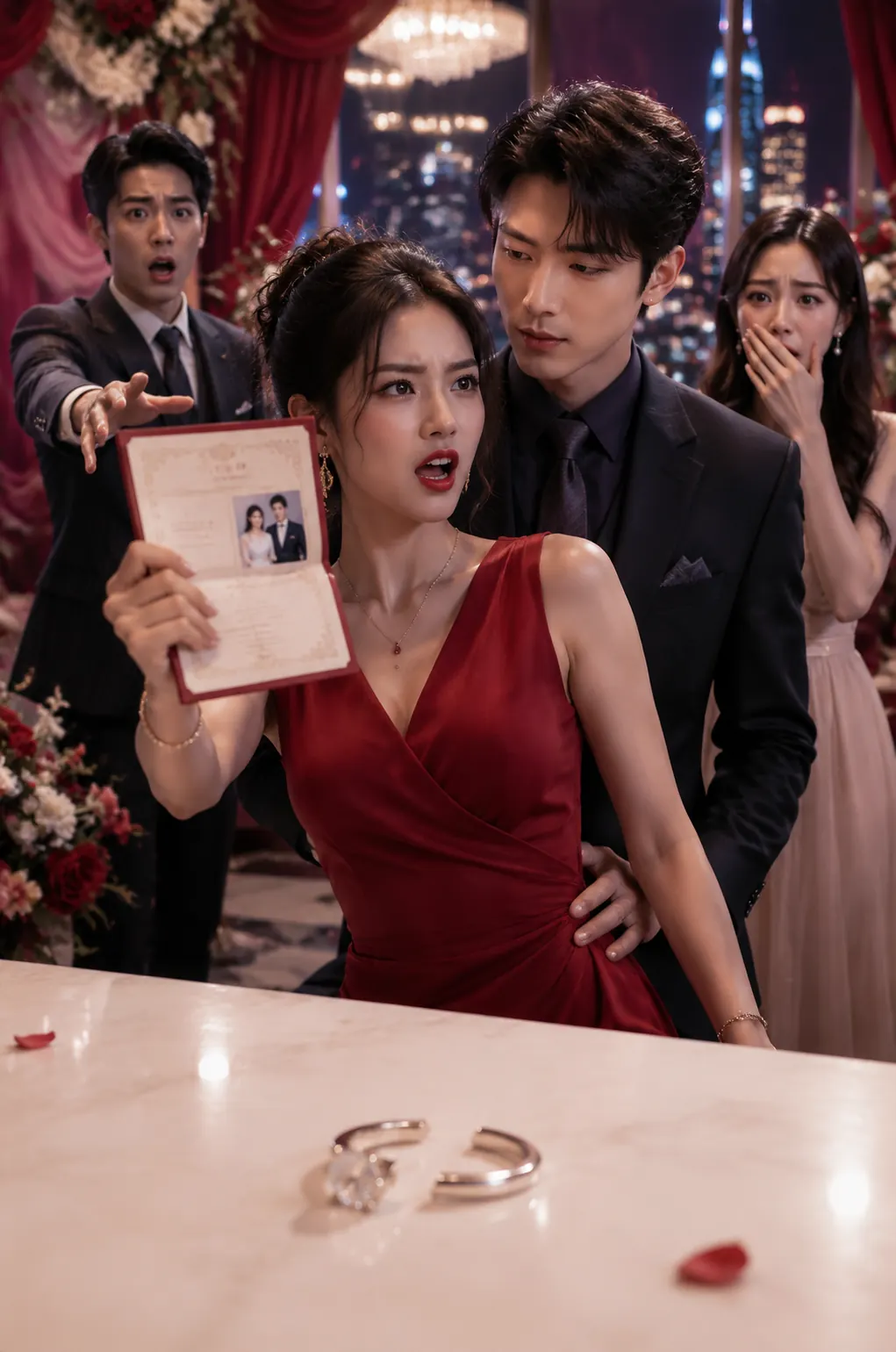
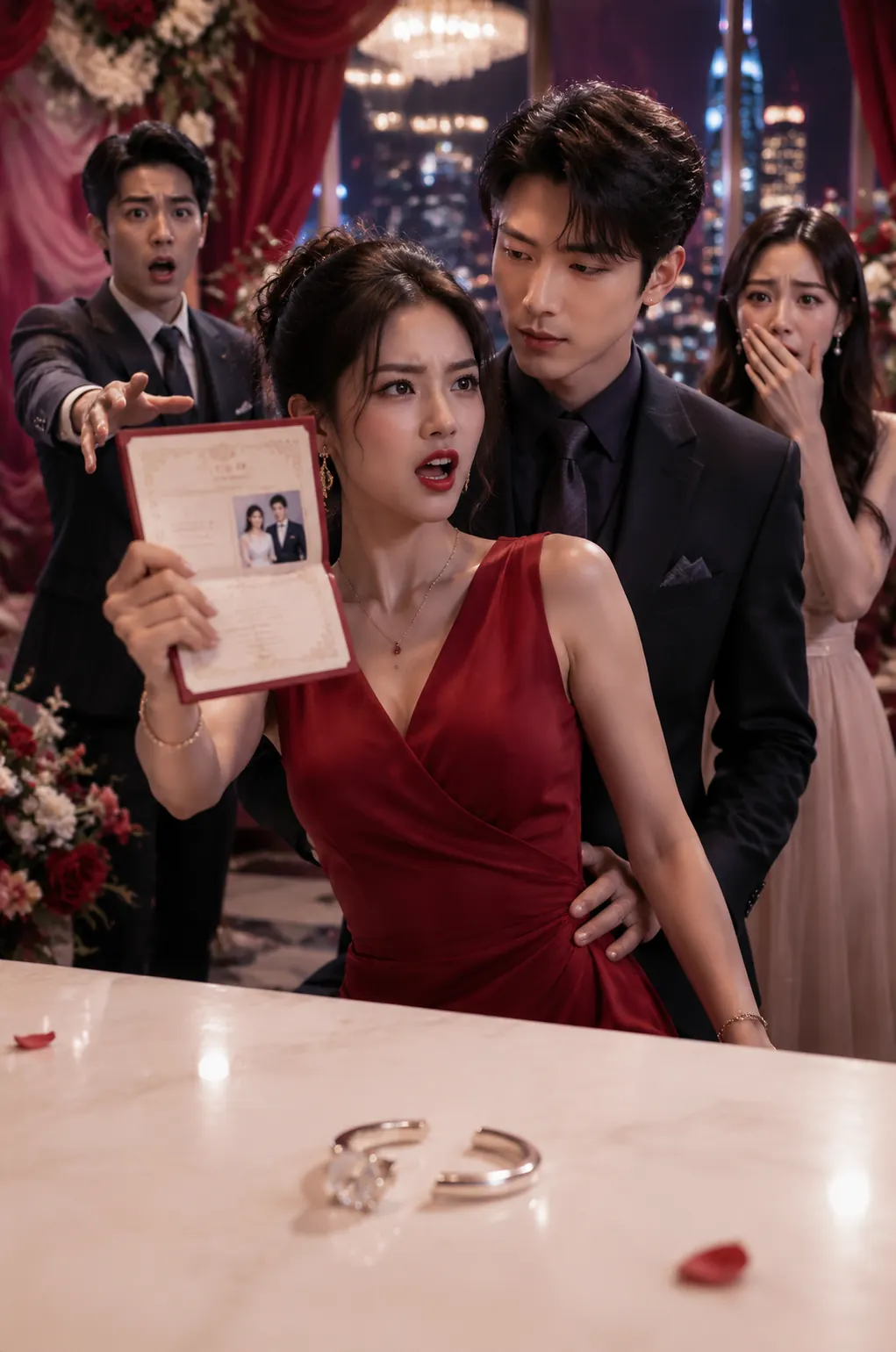
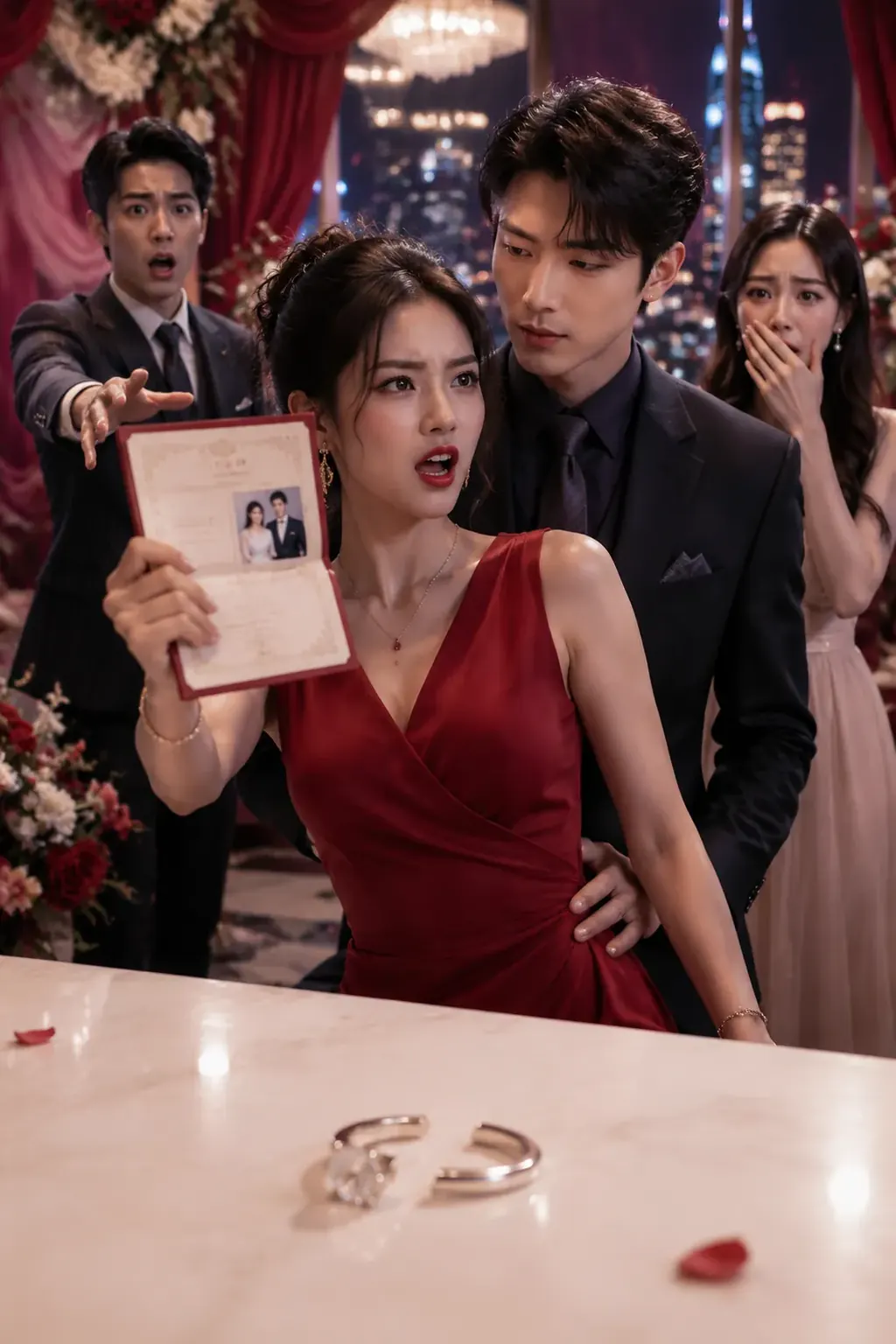
Nadia's stomach did something unpleasant. James's fingers pressed against her spine—a small anchor.
They hadn't prepared for this. Not one conversation about the origin story for a dinner table. They'd covered the timeline, the announcement, the proposal. But the origin story as a family performance—with recording—was entirely white space. And she was supposed to fill it while being watched by people who would remember.
She could feel him breathing beside her. Steady. Not pushing.
"Well," Nadia said, buying time with a sip of water. "It was at the office. The Ashford account."
She glanced at him, expecting panic or confusion, but James was already nodding slightly, with the ease of someone who'd been waiting to hear her land on something and found it right. He set down his fork with deliberate care.
"The Ashford account was six months ago," Caroline said.
"Six months," James confirmed quietly. His hand didn't move from her back.
He was already building a frame for her to work within. She recognized it—the same structure he used in finance reviews. Set the baseline, then build.
"Nadia was presenting preliminary concepts for the venue design," he continued, his voice taking the specific flatness it got during board calls—the tone that made everything sound important and inevitable. "I was on the finance review. She walked in, started the first slide, and immediately caught that we were using the wrong revenue assumptions for the projections."
Nadia blinked. This was accurate. This was terrifyingly, specifically accurate.
"She didn't even finish the slide," he said. "She just stopped and said, 'Before you judge the design, know that these numbers are wrong.' Most people would have let it slide. It was small enough that no one would have noticed. She didn't."
Elizabeth made a soft, pleased sound. This was the kind of story families wanted. The moment where you saw something essential in another person.
"I told her afterward that nobody else had caught it," James continued. "That it meant she actually understood the project instead of just selling it." He picked up his wine, unhurried, and Nadia realized he was thinking three moves ahead. Building the narrative so she could follow.
"And that's when you asked her out?" Elizabeth leaned forward. "That very first meeting?"
"No," Nadia heard herself say, and then something caught in her chest and she corrected the correction. She looked at James directly. "Actually, no. I noticed him first."
His head lifted. Just barely. Just enough for their eyes to meet for a fraction of a second—long enough for her to watch something shift across his face. A door opening that he immediately tried to close.
Elizabeth sat back, delighted. "Oh, so you made the first move?"
"He didn't say anything after the meeting," Nadia continued, and it was true—he'd watched her pack up the materials and nod professionally and leave the conference room without a word. "But he was the only person in that room who actually gave a damn. Not just about whether it would make money or look impressive. About whether the idea was good."
She heard James exhale—a small, barely audible sound that might have been deliberate or might have been involuntary.
"That's not how I would have described myself," he said carefully. "I was doing my job."
"You didn't describe yourself," Nadia said. "I observed you." The table was listening, really listening. "A week later you showed up at my desk with corrected financials. Printed. On colored paper. Like you'd made an entire document just for this one small thing."
James was quiet for a long moment. Long enough that Caroline began to ask a question, but he held up his hand with a small gesture—so characteristic of him that even Nadia felt herself stop talking.
"I wanted to make sure the design team understood the actual financial impact of the venue choice," he said formally, like explaining to a board. Then, quieter, almost just to her: "And I wanted an excuse to talk to you again."
The table went warm.
"You could have emailed it," Nadia said. Her voice came out softer than she expected.
"Yes."
"You didn't."
"No." His full attention had narrowed to her face. "I wanted to see you look at it. I wanted to see if you understood what I was trying to say."
The table had gone absolutely quiet in the way that meant everyone was waiting for something real.
"So I asked him to coffee," Nadia said. "I told him I was tired of watching people half-ass things."
"She told me she was tired of watching people half-ass things," James said. Something underneath his flatness now—something warm enough that even Caroline could hear it. "Because I'd already proven I knew how to do better."
"And he showed up with corrected projections for three other campaigns we were running," Nadia said, aware of her heart in her own ears. "Separate spreadsheets. Organized by launch date. I think he'd stayed up all night."
James didn't confirm or deny, but his jaw tightened slightly.
"She said she was tired of half-assing," he said. "So I decided I wouldn't. Not at work, not with her, not with anything."
The table erupted—awws and laughter, someone calling him a secret romantic, someone asking when he'd proposed. The conversation rolled into its natural current.
But James wasn't looking away from her.

He could have corrected the story. He knew the real timeline. He knew exactly when he'd started paying attention, long before that finance review. He could have said it lightly: Actually, it was me first. I've been noticing you for months.
He didn't.
She watched him turn back to his plate. Watched him take another sip of wine. Watched him let the moment pass and settle into the background of the table's noise. His hand was shaking slightly as he cut into his salmon. Just barely. Just enough that she saw it because she was looking. Because she'd been looking at him for days now—maybe longer than she'd been willing to admit.
He'd let her have the version of the story where she saw him first.
She understood what that meant. The lie and the truth were occupying the same space in her chest, overlapping like photographs exposed twice. And the thing they'd built across that dinner table—partly invented, partly not, neither of them quite sure anymore where the border ran—felt more real than anything they'd actually rehearsed.
Her phone buzzed against her thigh. She glanced down once, just long enough to read it.
Marcus Ashford confirmed for Sunday brunch. Says he's thrilled to finally meet your fiancée properly.
Marcus Ashford, who had chaired the finance review. Who had been in that room—the actual room, that actual morning—when she'd walked in with the first slide and James had been sitting two seats to his left.
Four days. That was all she had.
You might also like